The Beginning
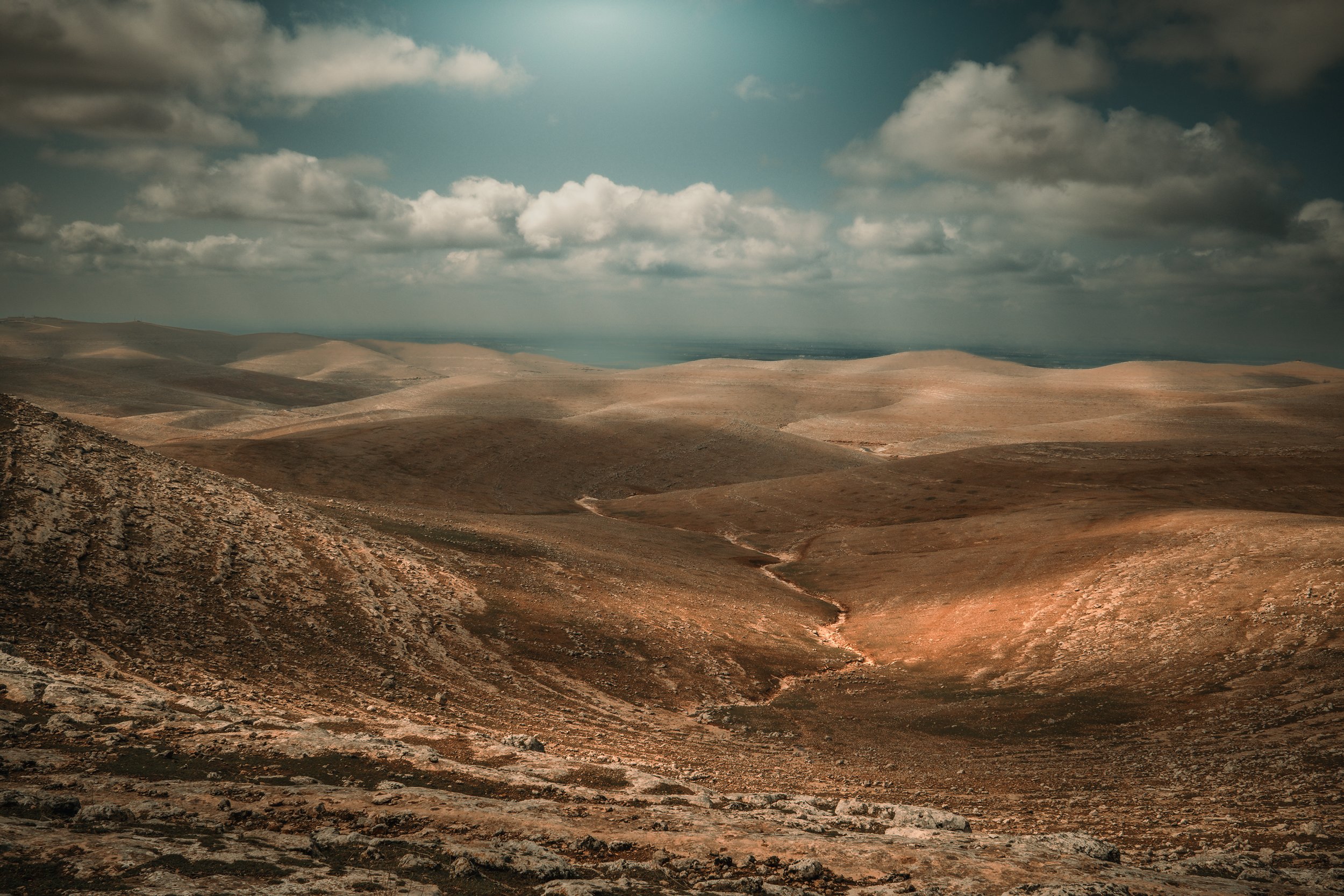
There is a feeling that is difficult to explain until you stand here yourself. The openness of the landscape, the warmth of the wind and the vast horizon invite a slower way of seeing. It is here that you begin to understand what it means to love a place for "the history and the air here." These are the landscapes where humanity first learned to settle, cultivate the land and establish permanent communities. More than ten thousand years later, that relationship between people and the land continues to shape life across the region.
Becoming Home
Kübra Elmas
When we think about the beginning of civilization, it is easy to imagine a single moment in history. In reality, it happened slowly. Over countless generations, people discovered that this land could provide more than food. It could provide permanence. It could become home.
-
For many people, southeastern Türkiye is known for its archaeological sites and ancient history. For me, it is simply the place where I live and work. I see it through the changing seasons, the crops that emerge from the soil and the people whose lives continue to be shaped by the land. It is impossible to separate the past from the present because they exist together every day.
This region is often described as one of the places where agriculture first began. That fact is remarkable, but it is only part of the story. Agriculture was never just about growing food. It changed the way people understood the world around them. Instead of moving from place to place, they began to invest in one landscape, learning its rhythms and trusting that another season would come.
Even today, that relationship has not changed as much as we sometimes imagine. The machinery is different, the science is more advanced and the tools are more precise, but every growing season still begins with uncertainty. Rain, temperature, soil and time continue to shape every decision. Modern agriculture depends on technology, but it still depends on patience.
As an agricultural engineer, I spend much of my time thinking about the future. My work focuses on healthier soils, sustainable production and finding better ways to care for the resources that support us. Yet the more I learn, the more I appreciate the generations who came before us. They observed this landscape closely. They experimented, adapted and shared what they learned with those who followed. Every season added another layer of knowledge.
That sense of continuity is what I value most about this region. History is not something preserved only in museums or archaeological excavations. It continues in the fields, in the irrigation canals, in the movement of shepherds across the plains and in the quiet routines of families who have lived with this landscape for generations. The past is not hidden beneath the soil. It remains part of everyday life.
People sometimes expect this landscape to be dramatic because of its history. Instead, it is understated. Wide horizons, cultivated fields and open skies rarely demand attention. Yet I believe its greatest strength lies in that quietness. It reminds us that civilization was not built through extraordinary moments alone. It grew through ordinary days, repeated season after season, generation after generation.
When I look across these fields, I do not only see crops. I see an ongoing relationship between people and place that has endured for thousands of years. The names have changed, the tools have changed and the world has changed, but the conversation between the land and those who care for it continues.
Perhaps that is what makes this place so important. The beginning is not something that belongs only to history. In many ways, it is still unfolding, one season at a time.
Close essay ↑